Hamilton (2025)
160 min · ★ 7.9
A to Z Movies Guide
182 films about real lives, great events and music, all rated PG-13 or gentler.
160 min · ★ 7.9
100 min · ★ 7.3

140 min · ★ 6.8

109 min · ★ 7.3

123 min · ★ 5.3

141 min · ★ 6.4
96 min · ★ 7.2

115 min · ★ 7.2
121 min · ★ 6.8
134 min · ★ 7.2
123 min · ★ 7.0
136 min · ★ 7.2

123 min · ★ 6.7

129 min · ★ 6.1
192 min · ★ 7.6
There is a special pleasure in a film that ends with a photograph of the real person. A lawyer in a loincloth who defeated an empire; a pilot who put an airliner down on a river; a miner's daughter from Kentucky who became the first lady of country music. RarMovies is an A to Z guide to films of this kind: 182 of them, about real lives, great events and music, each with its own page, its story, its year, its running time and a Watch now button that leads to the official services carrying it in your country.
The catalogue has been chosen for households and classrooms. Every film carries an American rating of PG-13 or gentler, and each was looked at again by hand. War films, religious epics and stories unsuitable for younger viewers were left out. What remains is history told through people, leaders and reformers, scientists and explorers, athletes, writers and painters, together with a shelf of musicals and stories about singers and bands.
The sections below take those groups one at a time, then the periods of history and the decades of film-making, and end with a few plans for a first week. Each section links to a short help page, and the How to watch page sums up the simple steps from a card to the official service.
RarMovies keeps the arrangement of the site it is named after, an A to Z film blog of 2018. A white sheet sits on a pale grey page. At the top is a dark slate band with the name RARmovies, the first three letters in white capitals and the rest in a soft red, a line reading A to Z Movies Guide, and a search box. Beneath it runs a darker menu bar edged in red: Home, English Movies, History, Music, Sport, A-Z and My List, the first item on a red tab as it was in the original.
The page below divides into a wide column and a side column. The wide column begins with the title of the site in a grey panel with a red edge, and then a heading bar reading Latest Posts, white on slate. Under it the films are laid out as the original laid out its posts, three to a row: each card has a small red label naming its category, a wide still from the film in place of a poster, the title and year, and a line with the running time and rating. A second bar, Most Popular, introduces nine more cards, and a third shows four posters of music films. The side column holds three boxes: Categories, with the number of films in brackets, By Year and Help.
The colours are white, slate, pale grey and one red, and the lettering is Roboto. On a telephone the menu folds behind a button with three lines, the side column moves beneath the cards, and the cards stand two to a row.
The Leaders and rulers category holds 68 films, and the Leaders and rulers help page suggests where to begin.
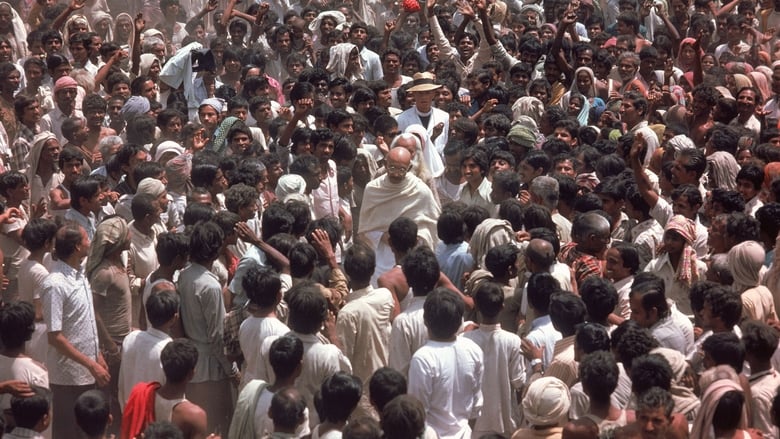
Gandhi, from 1982, directed by Richard Attenborough, is the grandest biography ever filmed. It opens with the funeral, attended by a crowd so vast that it remains one of the largest scenes ever staged, and then goes back to 1893, when a young Indian lawyer is thrown off a train in South Africa for sitting in the wrong carriage. Over three hours it follows him home to India, through the salt march, the spinning wheel, the fasts and the prisons, to independence and partition. Ben Kingsley, almost unknown at the time, gives a performance of complete conviction, and the film won eight Academy Awards, including best picture, best director and best actor. It is the film to show a child who asks what one person can do.
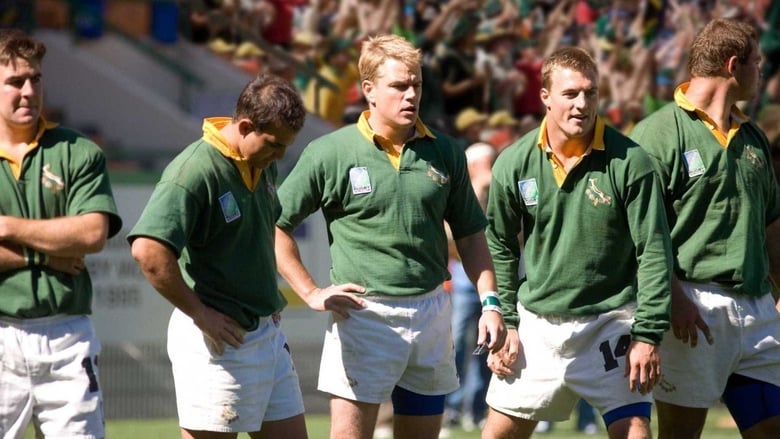
Selma, from 2014, directed by Ava DuVernay, takes three months of 1965, when Martin Luther King led marches from a small Alabama town to the state capital to demand the right to vote. David Oyelowo plays King as a tired, doubting, determined man, and the film is as much about strategy and argument as about speeches. Malcolm X, from 1992, directed by Spike Lee, with Denzel Washington, follows a very different leader from a hard youth through prison and faith to a wider view of the world. Mandela: Long Walk to Freedom, with Idris Elba, covers the whole life of the South African leader, and Invictus, from 2009, directed by Clint Eastwood, shows one episode of it: the new president, played by Morgan Freeman, deciding to support the national rugby team, long a symbol of the old order, in the World Cup of 1995.
Crowns have their films. The Queen, from 2006, is set in the week after the death of Princess Diana in 1997, when Elizabeth II, at her castle in Scotland, and her new prime minister, in London, disagreed about how the royal family should respond. Helen Mirren won the Academy Award for best actress. The Last Emperor, from 1987, directed by Bernardo Bertolucci and filmed inside the Forbidden City itself, tells the life of Pu Yi, who came to the Chinese throne at the age of two, lost it at six, and ended his days as a gardener in Beijing; it won nine Academy Awards. The Madness of King George, from 1994, is a comedy and a tragedy about the illness of George III and the doctors who tried to cure it. Marie Antoinette, from 2006, by Sofia Coppola, sees Versailles through the eyes of a teenage bride, and Victoria & Abdul, with Judi Dench, is about the old queen's friendship with a young clerk from Agra.
Modern politics is covered from several sides. The Iron Lady gave Meryl Streep an Academy Award as Margaret Thatcher. Churchill and Into the Storm show the wartime prime minister at moments of decision, and Munich - The Edge of War the conference of 1938. The Special Relationship is about a British prime minister and an American president, W., Reagan, Game Change and Shirley, about the first black woman to seek the presidency, are American portraits, and A United Kingdom, from 2016, tells how the heir to an African kingdom married an English office worker in 1948 against the wishes of two governments. Viceroy's House, directed by Gurinder Chadha, is set in Delhi in the last months of British rule.
The Rights and justice help page gathers films about ordinary people who changed the law. Suffragette, from 2015, follows a laundry worker in London in 1912 who is drawn into the campaign for the vote. On the Basis of Sex shows the young Ruth Bader Ginsburg arguing her first great case. The Long Walk Home, with Sissy Spacek and Whoopi Goldberg, is set during the bus boycott of 1955, The Best of Enemies and Son of the South in the years after it, and Rabbit-Proof Fence, from 2002, tells the true story of three Aboriginal girls in Australia in 1931 who walked fifteen hundred miles home along a fence. Denial is about a historian sued by a man who disputed the facts of history, and Misbehaviour about the protest at a beauty contest in 1970.
The Science and discovery category holds 41 films, and the Science and discovery help page divides them into minds and journeys.
The Man Who Knew Infinity, from 2016, is the story of Srinivasa Ramanujan, a clerk in Madras, largely self-taught, who filled notebooks with astonishing mathematics, wrote to a professor at Cambridge in 1913, and was brought to England to work with him. Dev Patel plays Ramanujan and Jeremy Irons his friend and champion, G. H. Hardy. The Current War sets Thomas Edison against George Westinghouse in the race to light America, and Tesla follows the inventor who worked for both. Creation shows Charles Darwin hesitating over the book that would make him famous, Einstein and Eddington is about the English astronomer who proved a German physicist right in 1919, and Experimenter and The Dish, an Australian comedy about the radio telescope that relayed the first steps on the Moon, are about later science.
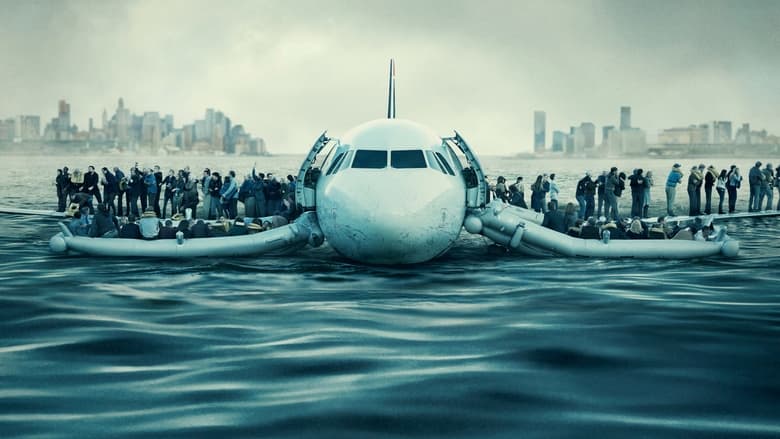
Sully, from 2016, directed by Clint Eastwood, is the most popular film in this catalogue. On a January afternoon in 2009 an airliner leaving New York struck a flock of geese and lost both engines; its captain, with three and a half minutes to act, landed it on the Hudson River, and all 155 people aboard survived. The film is about those minutes and about the inquiry afterwards, in which a modest man, played by Tom Hanks, had to defend his judgment. The Spirit of St. Louis, from 1957, with James Stewart, recreates the first solo flight across the Atlantic, Amelia the career of the flyer Amelia Earhart, and The World's Fastest Indian, from 2005, has Anthony Hopkins as a New Zealander in his sixties who rebuilt a 1920 motorcycle in his shed and took it to the salt flats of Utah.
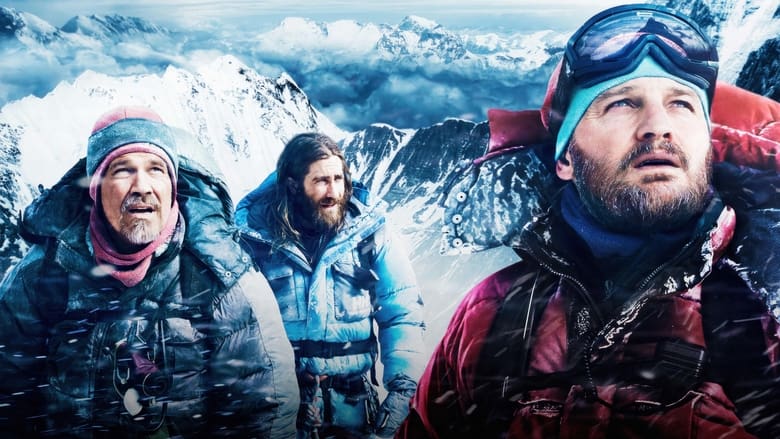
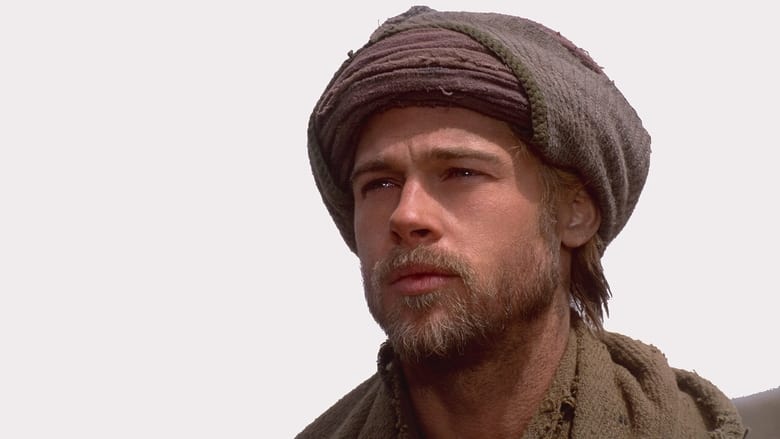
Journeys by land and sea include Seven Years in Tibet, with Brad Pitt as an Austrian mountaineer who became tutor to the young Dalai Lama; Everest; The Way Back, directed by Peter Weir, about a walk from Siberia to India; 1492: Conquest of Paradise and Christopher Columbus: The Discovery; The Bounty and Mutiny on the Bounty, two versions of the voyage of 1789; Gorillas in the Mist, with Sigourney Weaver as the naturalist Dian Fossey; True Spirit and Young Woman and the Sea, about a round-the-world sailor of sixteen and the first woman to swim the English Channel; and The 33, about the miners rescued in Chile in 2010.
The Sport category holds 35 films, and the Sport help page arranges them. Chariots of Fire, from 1981, which won the Academy Award for best picture, follows two British runners to the Olympic Games of 1924 in Paris: Harold Abrahams, the son of an immigrant, who runs to be accepted, and Eric Liddell, a Scot of deep faith, who refuses to race on a Sunday. Its opening scene, a line of young men running along a beach to the music of Vangelis, is known even to people who have yet to see the film.
Race, from 2016, tells how Jesse Owens won four gold medals in Berlin in 1936. Eddie the Eagle, from the same year, is the cheerful story of a short-sighted English plasterer who taught himself to ski jump and reached the Winter Olympics of 1988. Miracle, from 2004, with Kurt Russell, recreates the victory of a team of American college ice hockey players over the Soviet champions in 1980, and The Boys in the Boat, from 2023, directed by George Clooney, follows a university rowing crew of the Depression years to the same Berlin games as Owens.
American football has Rudy, from 1993, about a small, determined steelworker's son who wants one thing, to play a single game for his university; Invincible; We Are Marshall; 12 Mighty Orphans; and Safety. Basketball has Glory Road, baseball Eight Men Out and The Hill, boxing Big George Foreman and The Fire Inside, wrestling Unstoppable and Queen of the Ring, and football United, about a famous English club in 1958. Dragon: The Bruce Lee Story is a biography of the martial arts star, and The Great Alaskan Race recreates the sled-dog relay of 1925 that carried medicine across the snow to a stricken town.
The Writers and artists category holds 65 films, and the Writers and artists help page picks from it. Two portraits of Vincent van Gogh stand sixty years apart. Lust for Life, from 1956, directed by Vincente Minnelli, with Kirk Douglas, was filmed in the places where the painter worked and fills the screen with his canvases; Anthony Quinn won an Academy Award as his friend Gauguin. At Eternity's Gate, from 2018, with Willem Dafoe, tries to see the fields of Provence as the painter himself saw them. The Last Vermeer is about a forger, Finding Altamira about the discovery of the painted caves of Spain, and The Lost King, from 2022, about the amateur historian who found the grave of Richard III under a car park in Leicester.
Writers are the subject of Goodbye Christopher Robin, from 2017, which tells how A. A. Milne wrote his stories of a bear for his small son, and what fame did to the boy; of Genius, about the editor who shaped the novels of Thomas Wolfe; of Finding Forrester, an invented story in which a reclusive novelist, played by Sean Connery, befriends a gifted schoolboy; of Julia, Reds and Toast, the memoir of a cook; and of All Is True, in which Kenneth Branagh plays Shakespeare in retirement at Stratford. Me and Orson Welles takes a schoolboy into the famous stage production of 1937, Houdini, from 1953, with Tony Curtis, is a colourful life of the escape artist, and The Miracle Worker, from 1962, is the true story of the teacher Annie Sullivan and her pupil Helen Keller, who could neither see nor hear; Anne Bancroft and Patty Duke both won Academy Awards.
The Press and television help page lists a handful of films about the people who report the news. Good Night, and Good Luck., from 2005, directed by George Clooney in black and white, shows the broadcaster Edward R. Murrow taking on a powerful senator in 1954. Quiz Show, from 1994, directed by Robert Redford, is about a television contest of the 1950s whose winners were given the answers. Shattered Glass is about a young magazine writer whose brilliant stories were invented, A Beautiful Day in the Neighborhood about a cynical journalist sent to interview the gentlest man on American television, played by Tom Hanks, and Parkland and Worth about the aftermath of two days that shook the United States.
The Ancient and medieval category holds 38 films, and the Ancient and medieval help page divides them. Spartacus, from 1960, directed by Stanley Kubrick, with Kirk Douglas, is the story of the gladiator who led an army of slaves against Rome, and the scene in which his followers each claim his name is among the most quoted in film. Cleopatra, from 1963, with Elizabeth Taylor, was the most expensive film of its day and looks it. Julius Caesar, from 1953, is Shakespeare's play with Marlon Brando as Mark Antony, and Land of the Pharaohs and The Egyptian are spectacles of the 1950s.
The Middle Ages and the Tudor court supply the best acting in the catalogue. Becket, from 1964, sets Richard Burton as the archbishop against Peter O'Toole as his friend and king, Henry II. A Man for All Seasons, from 1966, which won six Academy Awards, is about Sir Thomas More, who would neither approve his king's divorce nor speak against it, and Paul Scofield's performance is a lesson in quiet strength. Richard III, from 1955, with Laurence Olivier, Hamlet, from 1990, Ivanhoe, from 1952, with Elizabeth Taylor, and Ivanhoe, from 1982, The Flame and the Arrow, The Man in the Iron Mask and The Count of Monte Cristo, from 2002, bring knights, swords and prisons.
Later centuries are represented by 1776, a musical about the signing of the American Declaration of Independence, Jefferson in Paris, Chevalier, from 2023, about a violinist and composer of the court of France who was the son of an enslaved woman, Peterloo, Raintree County, Meek's Cutoff, Squanto: A Warrior's Tale and A Night to Remember, from 1958, still the most accurate film about the sinking of the Titanic.
Readers in South Asia may like to know which films are set there, and the India on screen help page lists them. Gandhi is the centre. A Passage to India, from 1984, the last film of David Lean, from the novel by E. M. Forster, is set in the 1920s: a young Englishwoman, newly arrived, makes a friend of a Muslim doctor, and an expedition to some caves ends in an accusation that divides a town. Victor Banerjee plays Dr Aziz, and Peggy Ashcroft won an Academy Award as the older woman who understands him. Viceroy's House, Victoria & Abdul, The Man Who Knew Infinity and The First Grader, which is set in Kenya and tells of a man of eighty-four who enrols at a village school, look at the same history from other sides.
The Music category holds 51 films, and the Music help page arranges them. The biographies come first. Coal Miner's Daughter, from 1980, is the life of Loretta Lynn, married at fifteen in the hills of Kentucky and a star of country music by her late twenties; Sissy Spacek, who sang the songs herself, won the Academy Award for best actress. Selena, from 1997, gave Jennifer Lopez her first great part as the young Texan singer loved across Latin America. The Glenn Miller Story, from 1954, with James Stewart, Get On Up, with Chadwick Boseman as James Brown, Beyond the Sea, Elvis, from 1979, Evita and Star!, with Julie Andrews, are other portraits, and Music of the Heart is the true story of a violin teacher in a New York school, played by Meryl Streep.
A Hard Day's Night, from 1964, is in a class of its own. Shot in black and white in six weeks, it follows the Beatles through a day and a half of trains, hotel rooms, press conferences and a television studio, with a troublesome grandfather in tow, and it invented the modern music film; it is as fresh and funny now as it was then. Magical Mystery Tour is their odd, colourful bus trip of 1967. Jailhouse Rock, from 1957, is the best-known film of Elvis Presley.
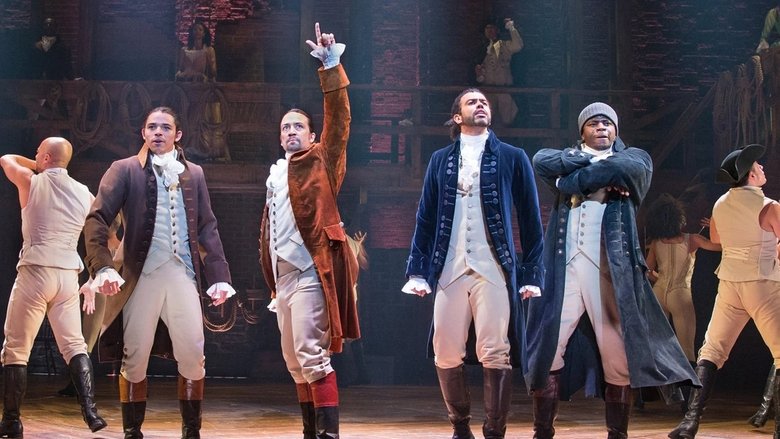
Stage musicals are listed on the Stage and screen musicals help page. Hamilton, the filmed performance of the musical about one of the founders of the United States, told in the rhythms of modern popular music, is the event of recent years. The King and I, from 1956, A Star Is Born, from 1954, with Judy Garland, Annie, Bugsy Malone, in which children play gangsters armed with custard, Yentl, A Chorus Line, Newsies, from 1992, and Newsies, the stage version filmed in 2017, both about the newsboys' strike of 1899, Hairspray Live! and The Phantom of the Opera at the Royal Albert Hall fill the shelf.
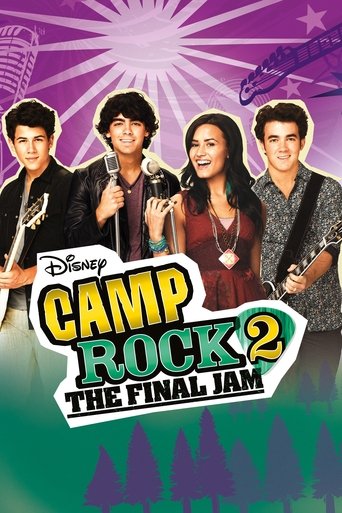
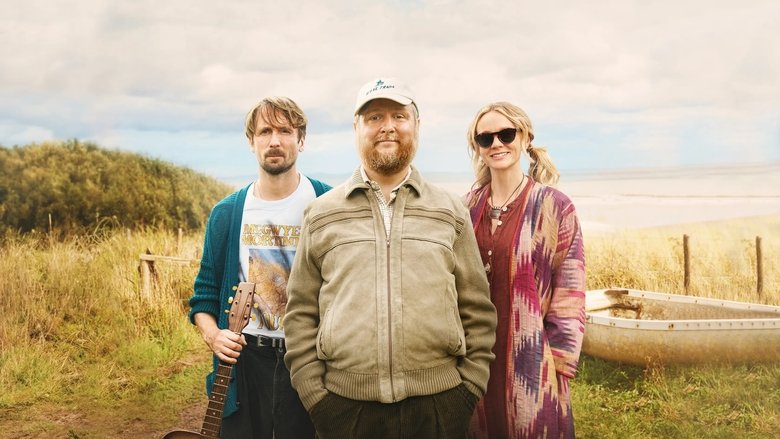
Lighter stories about bands and dancers round out the category: Drumline, about a college marching band, Bandslam, The Rocker, Josie and the Pussycats, Spice World, Camp Rock 2: The Final Jam, Work It, Feel the Beat, Fame, Make It Happen and Girls Just Want to Have Fun. For older listeners there are Fisherman's Friends, from 2019, the true story of ten Cornish fishermen who sang sea shanties in the harbour and were given a recording contract, Song for Marion, Finding Your Feet, A Mighty Wind, A Prairie Home Companion, Hearts Beat Loud, Tender Mercies and The Ballad of Wallis Island, from 2025.
A group of recent films tells the stories of people who built companies, and they make good viewing for anyone curious about how the modern world was assembled. The Founder, from 2016, stars Michael Keaton as the travelling salesman who came upon a small hamburger stand in California run by two brothers, saw what it could become, and took it from them. Jobs follows the founder of a famous computer company from a garage to the launch of a music player. Flamin' Hot, from 2023, is the cheerful tale of a factory cleaner who claims to have invented a best-selling spicy snack, and The Eyes of Tammy Faye follows a television couple through rise and fall.
The Classics category holds 31 films made before 1980, and the Classics help page introduces them. The historical film was the prestige production of the old studios, made with thousands of extras and painted skies. Besides the Roman and medieval films already named, the shelf holds Mutiny on the Bounty, from 1962, with Marlon Brando, The Wind and the Lion, Julia and New York, New York, from 1977, and Star!. These films are long, and were shown with an interval; a household may wish to do the same.
The original site called itself an A to Z of films, and RarMovies keeps the idea because it suits the subject. A viewer looking for a film about a particular person usually knows the name, and the A-Z page, which lists all 182 titles alphabetically with their years, is the quickest way to it. The page is also pleasant to browse: under G alone it offers Gandhi, Genius, Get On Up, Glory Road and Gorillas in the Mist, five lives that could hardly be more different.
The categories cut the same list another way. A teacher planning a term on the twentieth century might open Leaders and rulers; a family with a young athlete, Sport; a music lover, Music. Each category page shows its films with posters and years, most popular first, and every film appears in as many categories as fit it, so that Chariots of Fire is found under History and Sport alike.
Five categories arrange the catalogue by the date of the film, and the Year by year help page describes them. The 1980 to 1999 category holds 40 films: Coal Miner's Daughter, Chariots of Fire, Gandhi, A Passage to India, The Last Emperor, Malcolm X, Rudy, Quiz Show and Selena. The 2000s holds 32, among them Finding Forrester, Rabbit-Proof Fence, Miracle, Good Night, and Good Luck., The Queen and Invictus.
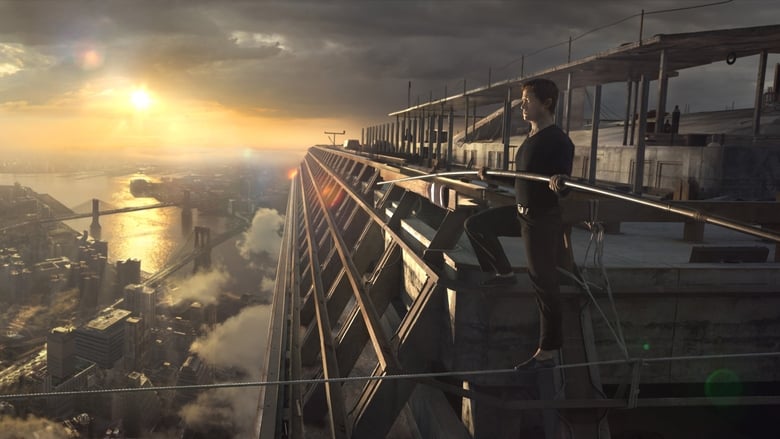
The 2010s is the largest, with 52: The Iron Lady, Selma, Suffragette, The Walk, which recreates a tightrope crossing between two towers in 1974, Sully, The Founder, Eddie the Eagle, The Man Who Knew Infinity and Fisherman's Friends. The 2020s holds 27, from Misbehaviour and Tesla to One Life, in which Anthony Hopkins plays a London stockbroker who, as a young man in 1939, arranged trains to carry hundreds of children to safety, The Boys in the Boat, Young Woman and the Sea and Hamilton.
The Top rated category gathers the 66 films rated 7 or more out of ten by viewers around the world. The Most Popular cards on the home page, ordered by the number of votes, are a second guide.
There are several ways to find a film on RarMovies, and the Finding titles help page describes each one. The search box in the dark band accepts a title and shows matching films as you type. The A-Z page lists every film alphabetically, the English Movies page lists them by popularity, and the Categories box in the side column gives the number of films in each category.
A few titles need care. Two films are called Ivanhoe and two are called Newsies, and the year on each card tells them apart. Titles that begin with a number, 1492: Conquest of Paradise, 1776 and 12 Mighty Orphans, are filed before the letter A, and W. is filed under W. Titles beginning with The or A are filed under the next word, and one distinctive word, Tibet, Marshall or Altamira, is usually enough for the search.
Each film on RarMovies has a page built to one plan. The poster, title, year, running time and average worldwide rating come first. They are followed by the story, the genres, the director and the leading cast, and by a row of other films from the same categories. The Watch now button opens the list of official services that offer the film in your country.
Films of this kind are well represented on official services. The large streaming services carry most of the recent titles, the studios' own services hold the classics, and nearly every film can be rented or bought for a small sum from the digital shops. Many are offered with Hindi and other soundtracks or subtitles, chosen in the player. What a subscription includes changes from month to month, so the list on each title page is the place to look.
The Add to My List button on a title page saves a film for later. The list lives in the browser on your own device, calls for neither an account nor a password, and opens from the My List link at the end of the menu bar. The My List help page explains how to remove a film and how to copy the list to a second device.
Viewers often ask how far these films can be trusted, and the fair answer is: for the outline, usually; for the details, with care. A film must fit years into two hours. Writers merge several real people into one character, bring events closer together and compose conversations that nobody recorded. Chariots of Fire moves the moment at which one runner learns of his Sunday race. The Queen imagines private scenes that only two or three people could describe. Sully gives the investigators a sterner manner than they showed in life, because a story needs an opponent.
The best of these films are faithful where it counts, to the character of the person and the weight of what happened, and several were made with the help of those who lived the events. A good habit is to spend ten minutes afterwards reading about the real history. The films gain from it, children learn to tell a record from a retelling, and now and then the truth turns out to be stranger than the script: the plasterer really did fly off the ninety-metre hill, and the fishermen really did reach the top ten.
Many of these films are used by teachers, and they work as well at home. For the history of civil rights, Selma, The Long Walk Home and Rabbit-Proof Fence make a strong sequence, moving from a national campaign to a single household to three children on a road. For the history of science, The Man Who Knew Infinity, The Current War and Einstein and Eddington show that discovery is done by people with rivalries, doubts and friends. For the making of modern Britain, Suffragette, The Iron Lady and The Queen span a century.
For younger children, the gentlest choices are Eddie the Eagle, The Miracle Worker, Annie, Bugsy Malone, Squanto: A Warrior's Tale, The Great Alaskan Race, True Spirit and Newsies. Older children can manage Gandhi, Chariots of Fire, Sully and Rudy, and teenagers are ready for Malcolm X, Good Night, and Good Luck. and A Man for All Seasons. The long films divide naturally into two evenings.
Here are seven evenings for a household new to the catalogue. On the first, watch Sully, which is short, tense and humane. On the second, Chariots of Fire. On the third, A Hard Day's Night, for pure pleasure. On the fourth, the first half of Gandhi, and on the fifth, the second. On the sixth, The Queen, and on the seventh, Coal Miner's Daughter.
A second week might hold Selma, The Man Who Knew Infinity, Eddie the Eagle, The Last Emperor, Fisherman's Friends, A Man for All Seasons and Hamilton. For an evening of spectacle, choose Spartacus or Cleopatra; for a quiet one, Goodbye Christopher Robin or The World's Fastest Indian; and for something to sing along to, The King and I or Annie.
Every film on RarMovies was rated PG-13, PG or G by the American ratings board, or was made before the present system and is of the same character. G means suitable for all ages, PG suggests that parents may wish to watch with younger children, and PG-13 advises that some material may be unsuitable for those under thirteen, which in a historical film usually means a serious subject honestly shown. Films with the stricter R rating were left out, together with war films and religious epics, which have guides of their own.
The catalogue travels widely, and choosing by place is a pleasant way to use it. Britain has the largest share. The Queen is set between London and a Scottish estate, Chariots of Fire moves from Cambridge to the Highlands to Paris, Fisherman's Friends belongs to a Cornish harbour, Peterloo to Manchester in 1819, and The Lost King to a car park in Leicester, where an amateur historian became convinced that a medieval king lay under the tarmac, and was proved right.
The United States comes next. Selma crosses a bridge in Alabama, Sully lands on the Hudson River beside Manhattan, Rudy is set at a university in Indiana, Coal Miner's Daughter begins in a cabin in the Kentucky hills, and The Boys in the Boat follows a rowing crew from Seattle to the Olympic Games of 1936. Meek's Cutoff follows three families across the dry country of Oregon in 1845, with a quietness that is rare in films about the frontier.
Further afield, The Last Emperor was filmed inside the Forbidden City in Beijing, the first Western production allowed to work there, and its courtyards full of kneeling courtiers are among the great sights of cinema. Rabbit-Proof Fence crosses the Australian desert, The World's Fastest Indian begins in a shed in New Zealand and ends on the salt flats of Utah, Invictus and Mandela: Long Walk to Freedom are set in South Africa, A United Kingdom in Botswana, The First Grader in Kenya, and Gorillas in the Mist in the mountain forests of Rwanda.
A historical film is a work of many trades, and knowing a little about them adds to the pleasure. Designers build streets and palaces from photographs, paintings and surviving plans. Costume makers study museum collections; the uniforms of Gandhi, the silks of The Last Emperor and the court dress of A Man for All Seasons were each the result of months of research. The funeral scene of Gandhi was filmed with some three hundred thousand people, the largest gathering ever assembled for a film, in the days before such crowds could be drawn by computer.
Actors prepare just as thoroughly. Sissy Spacek spent months with the singer she was to play and learned her way of speaking. Ben Kingsley studied newsreels, took up spinning and yoga, and was so like his subject that villagers greeted him with reverence. Chadwick Boseman learned to dance the famous steps of James Brown. Performers who play musicians often learn enough of the instrument to be filmed from any angle, and those who play athletes train for a season.
Music matters as much. The electronic theme that Vangelis wrote for Chariots of Fire made a film about the 1920s feel modern. The score of The Last Emperor joined Chinese and Western instruments, and the songs of Hamilton carry almost the whole text of the story. In the films about musicians, of course, the songs are the story, and the best of them, A Hard Day's Night and Coal Miner's Daughter among them, send the viewer straight back to the records.
A film about a real person is a good beginning to a longer acquaintance. Most of the subjects left books: autobiographies, letters, speeches and diaries, many in print in inexpensive editions and in public libraries. Recordings survive of nearly all the musicians, and newsreels of the athletes and leaders of the twentieth century can be seen in museum and broadcaster archives. A household that watches Selma can listen to the speeches; one that watches The Glenn Miller Story can play the band; one that watches Goodbye Christopher Robin can take the books down from the shelf.
Places can be visited too. The harbour of the fishermen, the university courts of the runners, the Forbidden City, the homes of writers and painters and the halls where the musicians played are open to the public, and many have exhibitions about the people the films portray. A film night can be the first step of a journey, on the map or in the library.
Children enjoy keeping a record. A simple notebook with the title, the person, the place and the year of the events, and one sentence about what surprised them, turns a term of film nights into a small history of the world in their own words. Pinning each story to a wall map shows at a glance how far the catalogue reaches, from a Cornish quay to the salt flats of Utah, and which corners of the world are still waiting for an evening of their own.
Certain names appear again and again in films about real people, and they are a reliable guide. Clint Eastwood directed Invictus and Sully and stars in Honkytonk Man. Richard Attenborough directed Gandhi and A Chorus Line. Stephen Frears made The Queen, Victoria & Abdul and The Lost King, three wry portraits of English life. George Clooney directed Good Night, and Good Luck. and The Boys in the Boat; Robert Redford directed Quiz Show; and Fred Zinnemann, a craftsman of the old school, made A Man for All Seasons and Julia.
Among actors, Tom Hanks plays two real and well-loved Americans in Sully and A Beautiful Day in the Neighborhood. Anthony Hopkins is the captain of The Bounty, the motorcyclist of The World's Fastest Indian and the rescuer of One Life. Meryl Streep appears as a prime minister, a violin teacher and a radio singer. Helen Mirren plays two queens of England, the wife of George III and the present century's Elizabeth, and Judi Dench plays a third. David Oyelowo leads Selma and A United Kingdom, Chadwick Boseman Get On Up, and Denzel Washington Malcolm X.
The older films have their own company. Kirk Douglas is both the gladiator of Spartacus and the painter of Lust for Life. Marlon Brando is Mark Antony in Julius Caesar and the mutineer of Mutiny on the Bounty. Elizabeth Taylor appears in Ivanhoe, Raintree County and Cleopatra, and James Stewart in The Glenn Miller Story and The Spirit of St. Louis. Following one of these faces across the decades is a pleasant way to wander through the catalogue.
It helps to know which sort of film one is choosing. The full life, from childhood to old age, is the oldest kind: Gandhi, The Last Emperor, Coal Miner's Daughter and Mandela: Long Walk to Freedom are built this way, and they need a long evening. The single episode is the modern preference, a week, a season or even an afternoon in which a whole character is revealed: The Queen, Selma, Sully, Invictus and Churchill are of this kind, and they are usually the tighter films.
A third kind is told through a witness, an ordinary person who stands beside the famous one: the young clerk in Victoria & Abdul, the journalist in A Beautiful Day in the Neighborhood, the schoolboy in Me and Orson Welles. And a fourth kind has an unknown hero altogether, someone whose name the audience learns for the first time, like the walkers of Rabbit-Proof Fence, the pupil of The First Grader or the fishermen of Port Isaac. These are often the most surprising, since the ending is hard to guess in advance.
Every title on RarMovies has been considered by a person. Its certificate is checked, its story and the notes written for parents are read, and films that would be out of place in a family room or a classroom are passed over. The descriptions are short and plain, the years and running times are confirmed in the public film databases, and the posters and stills are the official ones. The cards on the home page and the counts in the side column are rebuilt at each refresh of the catalogue.
RarMovies is a guide. It stores neither films nor files to download; the Watch now button opens an official, licensed service, so the people who made the film are paid when you watch.
RarMovies is an A to Z guide to 182 films about real lives, history and music. Each film has a page with its story, year, running time, director and cast, and a Watch now button that leads to the official services carrying it in your country.
Start with Sully, Chariots of Fire, A Hard Day's Night, Gandhi, The Queen and Coal Miner's Daughter. The first-week plan in the guide suggests many more.
Every film is rated PG-13 or gentler in the United States or is of the same character, and each was checked by hand. The guide also names the gentlest titles for younger children.
The outlines are true and the details are often adjusted for the screen. The guide explains what film-makers usually change and suggests reading about the real events afterwards.
Yes. Gandhi, A Passage to India, Viceroy's House and The Man Who Knew Infinity are among them, and the India on screen help page lists them.
Many official services offer these films with Hindi and other soundtracks or subtitles. The services listed on each title page show the languages they provide.
Press Add to My List on the page of any film. The list is kept by your own browser, free of charge, and the My List link in the menu bar opens it.
RarMovies is a guide only. Every Watch now button leads to an official, licensed service.